
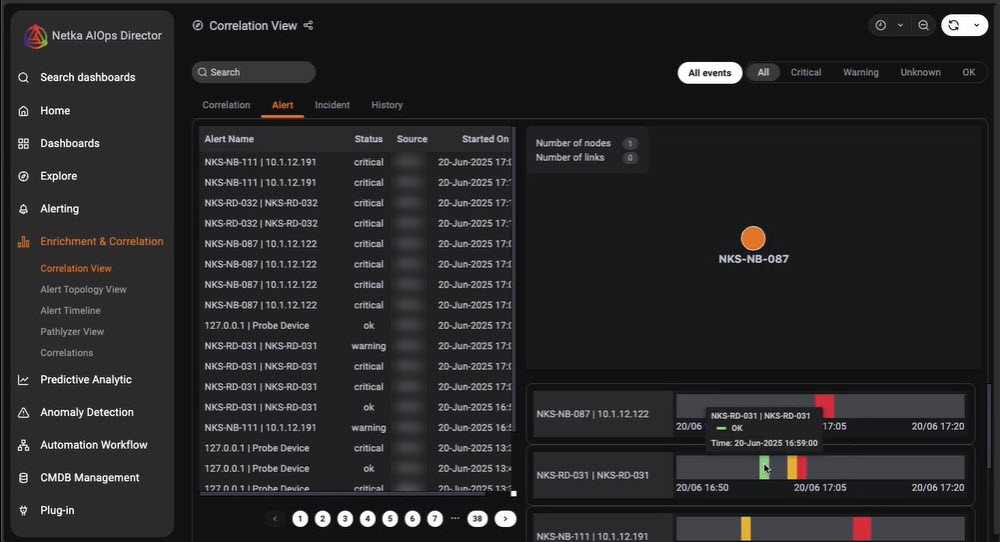
Event Correlation is a foundational capability in modern security operations that connects individual security events across multiple systems to uncover complex attack patterns. By analyzing logs and alerts from firewalls, endpoints, servers, and applications, event correlation reveals relationships between incidents that might otherwise appear isolated. This approach reduces false positives, accelerates threat detection, and helps security teams focus on what matters most—responding to real threats with context and clarity.

Multi-Source Correlation
Connect Events Across Systems for Unified Threat Visibility
Correlate data from various security layers—network, endpoint, cloud, and applications—to reveal attack campaigns that span across environments. This integrated view reduces blind spots and helps detect coordinated threats that might go unnoticed in siloed analysis.

False Positive Reduction
Eliminate Noise and Focus on Real Threats
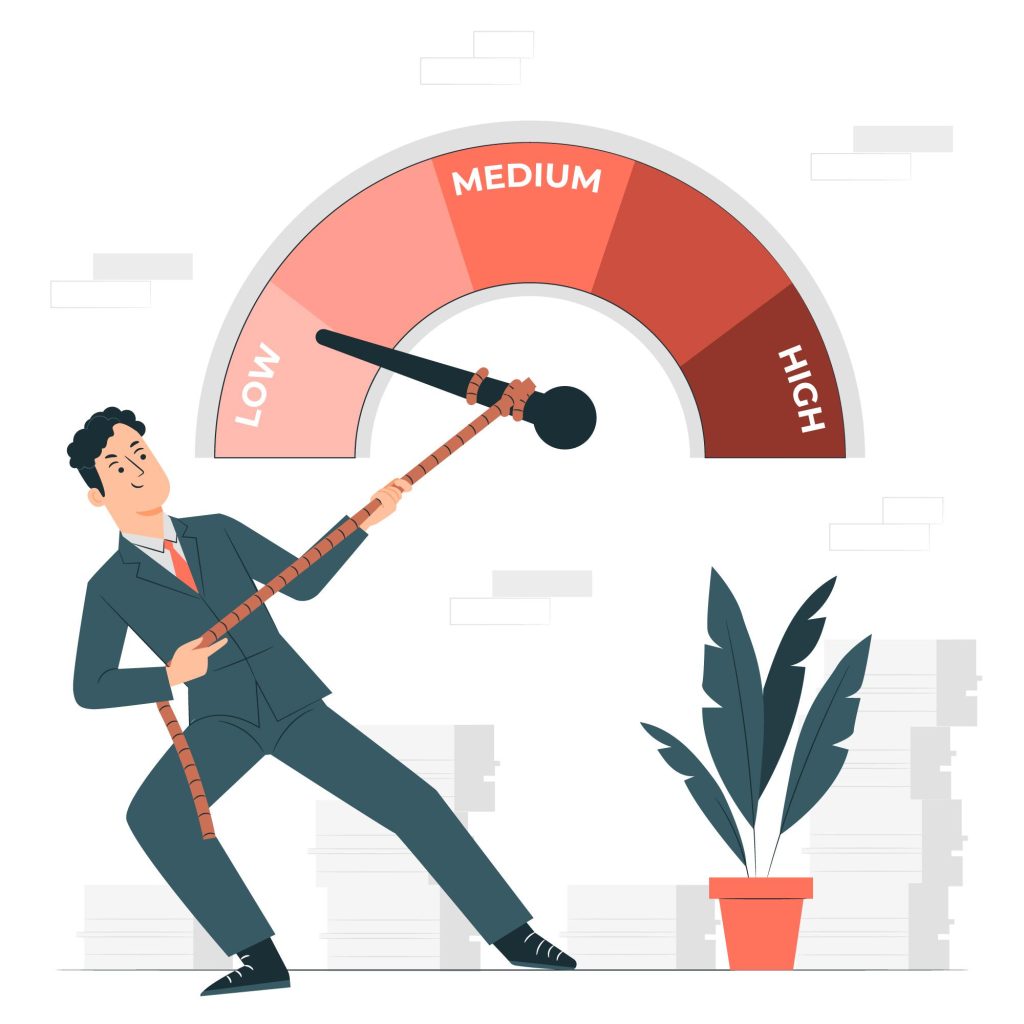
Automatically group and correlate related alerts to suppress redundant or low-priority signals. This smart filtering mechanism reduces analyst fatigue, accelerates triage, and ensures focus on high-impact incidents.

Threat Pattern Detection
Recognize Complex Attack Sequences in Real Time
Use event correlation to identify kill chains, lateral movement, or persistence techniques by connecting seemingly unrelated security events. Detects threats earlier by exposing patterns of behavior typical of advanced threat actors.



Accelerated Investigation
Cut Down Investigation Time with Linked Events
By automatically linking relevant events into a single timeline or storyline, analysts can quickly trace the source, path, and impact of an attack. This feature significantly reduces Mean Time to Detect (MTTD) and Mean Time to Respond (MTTR).

Prioritized Response
Respond to What Matters Most, First
Correlated alerts are scored and ranked based on risk factors such as asset criticality, threat type, and MITRE ATT&CK mappings. This helps SOC teams prioritize actions and allocate resources to the most urgent threats.

Multi-Source Correlation
Connect Events Across Systems for Unified Threat Visibility
Correlate data from various security layers—network, endpoint, cloud, and applications—to reveal attack campaigns that span across environments. This integrated view reduces blind spots and helps detect coordinated threats that might go unnoticed in siloed analysis.
False Positive Reduction
Eliminate Noise and Focus on Real Threats
Automatically group and correlate related alerts to suppress redundant or low-priority signals. This smart filtering mechanism reduces analyst fatigue, accelerates triage, and ensures focus on high-impact incidents.
Threat Pattern Detection
Recognize Complex Attack Sequences in Real Time
Use event correlation to identify kill chains, lateral movement, or persistence techniques by connecting seemingly unrelated security events. Detects threats earlier by exposing patterns of behavior typical of advanced threat actors.
Accelerated Investigation
Cut Down Investigation Time with Linked Events
By automatically linking relevant events into a single timeline or storyline, analysts can quickly trace the source, path, and impact of an attack. This feature significantly reduces Mean Time to Detect (MTTD) and Mean Time to Respond (MTTR).
Prioritized Response
Respond to What Matters Most, First
Correlated alerts are scored and ranked based on risk factors such as asset criticality, threat type, and MITRE ATT&CK mappings. This helps SOC teams prioritize actions and allocate resources to the most urgent threats.


